The UK market built the playbook for competitive socialising. The question now is who picks it up first across Europe.
The UK has been the proving ground for competitive socialising as a commercial hospitality format. The concepts that work, the formats that generate repeat visits, the operational models that hold up under pressure – most of what the sector now treats as established knowledge was tested first in London and the major UK cities.
Mintel’s 2025 market report shows the UK sector has grown by nearly 40% in venue numbers since 2018, with consumer participation reaching around 30% of adults. But the same report signals a market entering consolidation. Venue growth is slowing. The operators built on novelty are under pressure. Quality of experience is now the primary differentiator.
That consolidation story in the UK is actually the most compelling argument for the rest of Europe. The format is proven. The consumer demand is documented. And most European markets are still in the early stages of what the UK went through five years ago.
Germany: the first major market to move
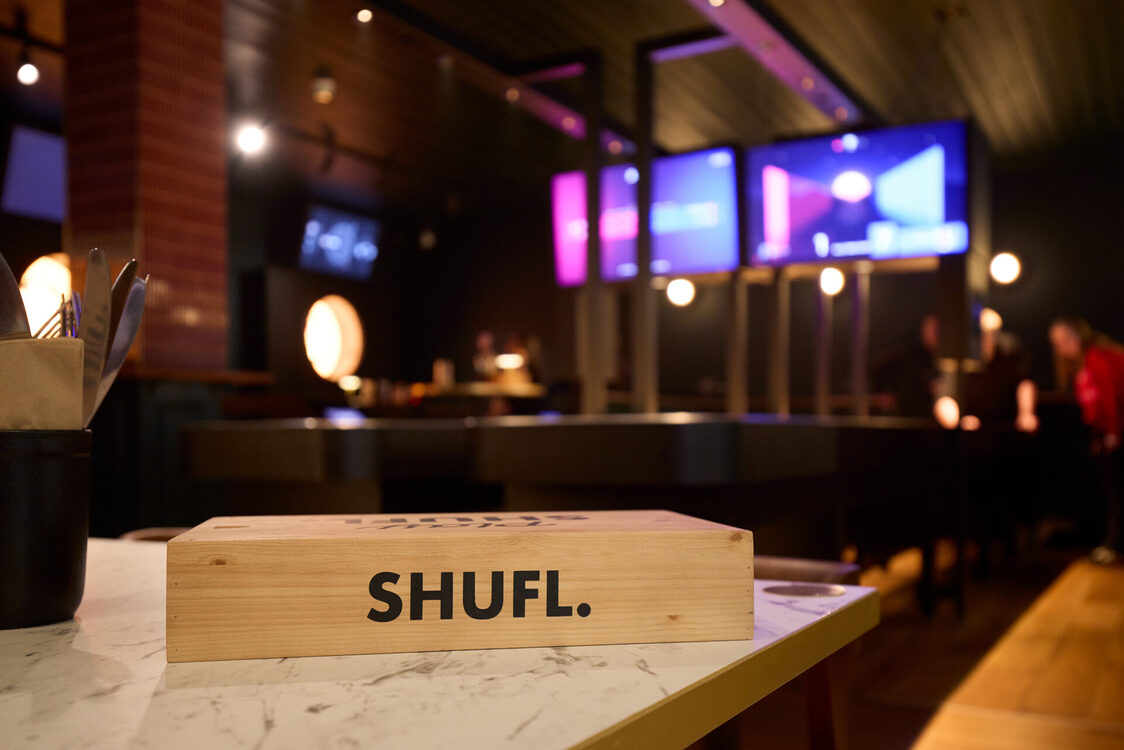
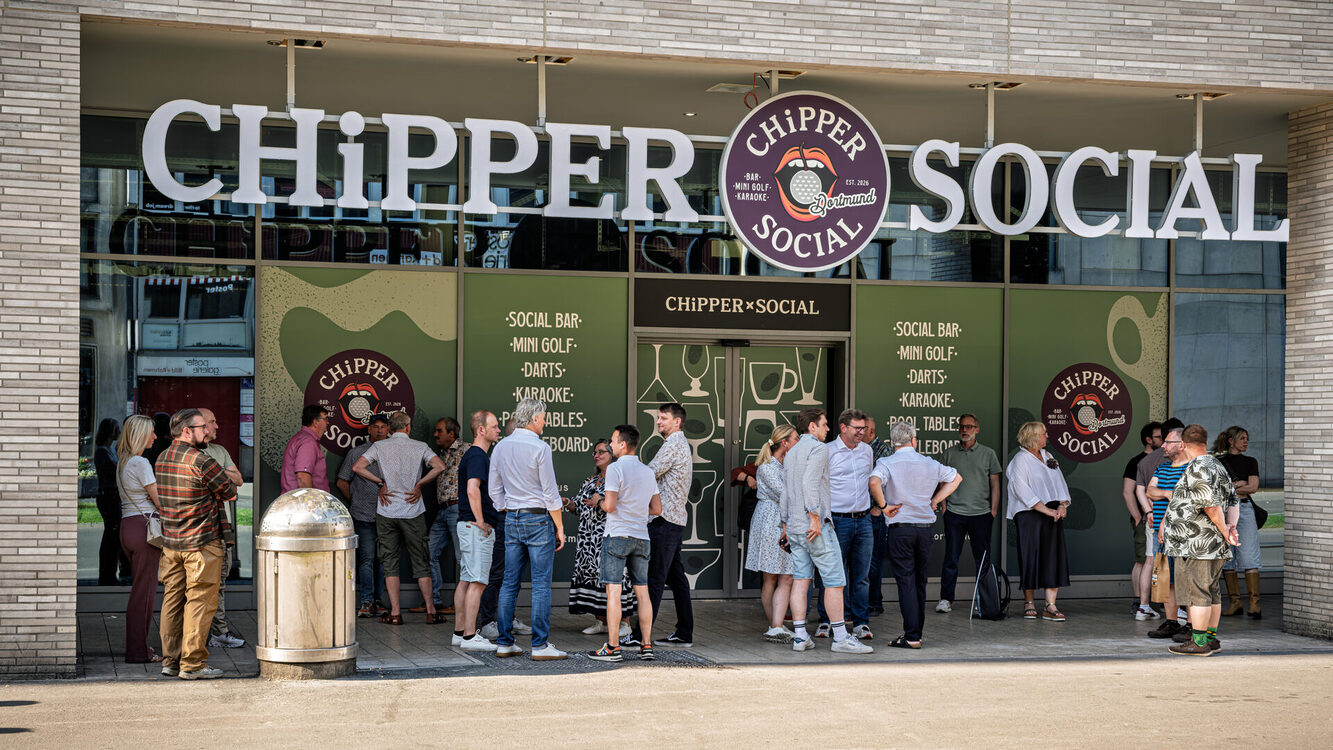
The most significant opening on the European horizon is Chipper Social Dortmund – a 1,700m² social gaming venue in the heart of Dortmund, currently in its final stages before opening. The concept is built around darts, shuffleboard, mini-golf, karaoke and pool, with TSGG supplying social gaming installations (SHUFL Tech and FLYBY Darts).
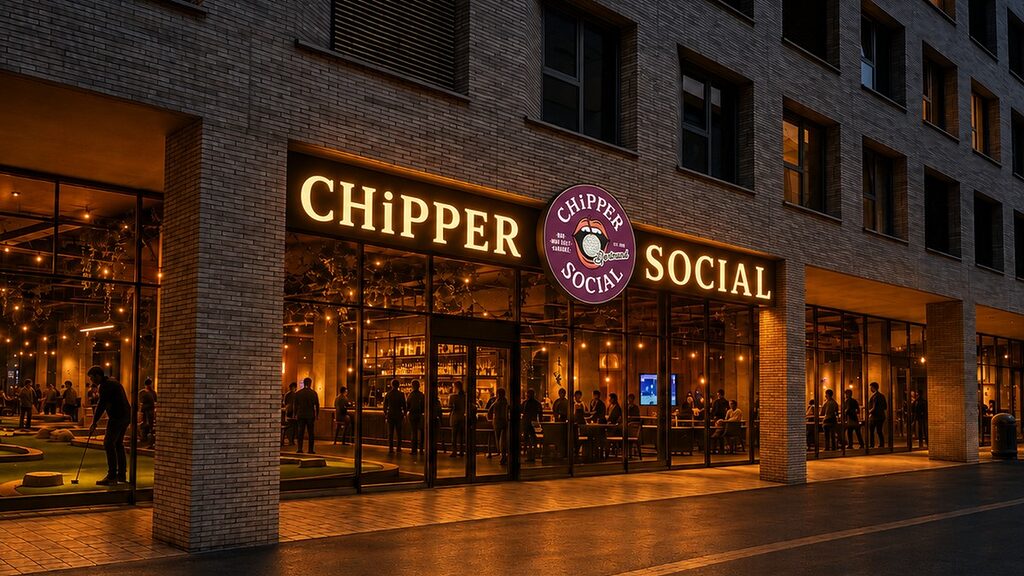
The first venue of its kind from G&A Bars in Germany, Chipper Social in Dortmund – 1700 m² with 3 bars, 18-hole mini-golf, a karaoke bar, SHUFL Tech and FLYBY Darts and billiards. Chipper Social are also opening a site in Hamburg’s legendary St. Pauli district soon.
Behind it is G&A Bars, the operator group founded by the Skagstind Group – the same team behind several concepts in Norway like Fabrikken Oslo, one of Norway’s leading social gaming venues. That operational experience matters. The concepts expanding into new European markets with the strongest chance of success aren’t starting from scratch. They’re taking a proven playbook and applying it to a new context.
Germany is a strong first move. It’s a large, economically active market with a well-documented appetite for social and leisure formats – and competitive socialising as a distinct category is still in its early stages there.
A growing European footprint
Dortmund isn’t the beginning of TSGG’s European story – it’s the latest chapter. TSGG currently supports partners across Norway, Denmark, Poland, France and Spain, with each market at a different stage of development. What they share is the same underlying dynamic: consumer appetite for social, experience-led formats is strong, and the supply of well-executed concepts is still catching up.
Across the rest of Europe, the conditions are right – strong hospitality cultures, high disposable incomes, and a growing gap in the market for formats that have already proven themselves in the UK and Scandinavia.
The UK built the case for competitive socialising. The operators moving into Europe now are the ones who get to write the next chapter – with the advantage of knowing exactly how the story goes.
The Social Gaming Group works with operators across Europe – from concept to installation, training and ongoing support. If you’re building something in your market, we’d like to hear about it.
You may also like
Franchise
B2B
You need to load content from reCAPTCHA to submit the form. Please note that doing so will share data with third-party providers.
More InformationYou are currently viewing a placeholder content from Turnstile. To access the actual content, click the button below. Please note that doing so will share data with third-party providers.
More Information