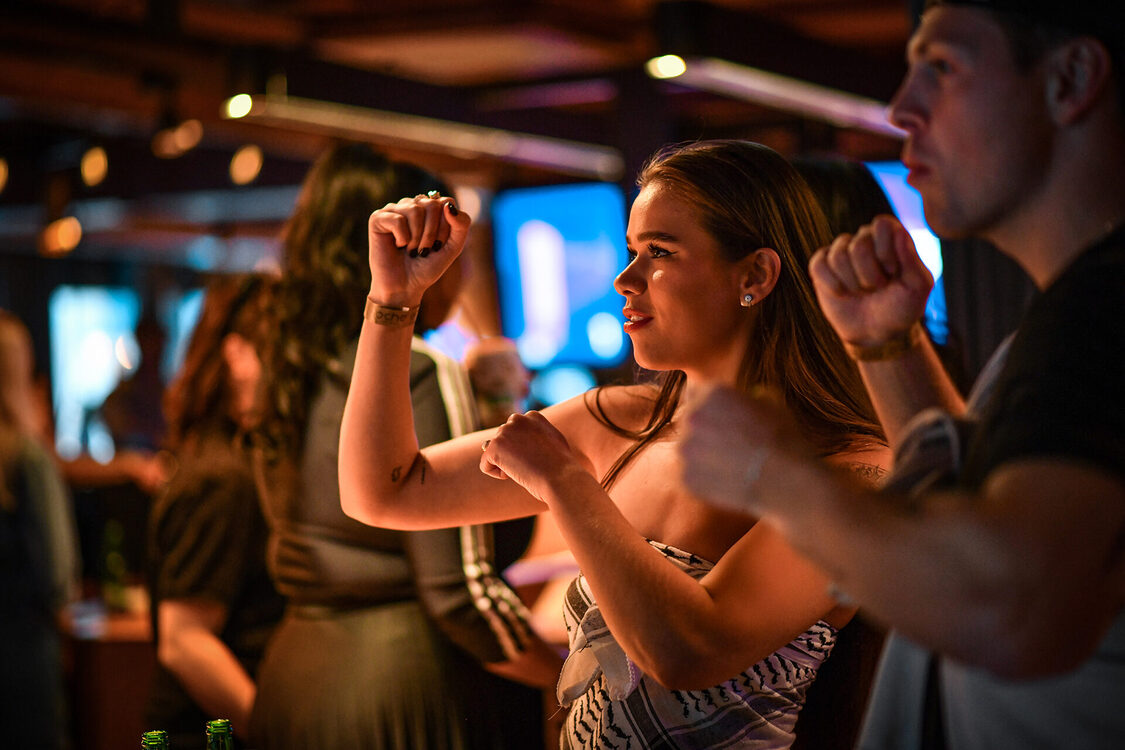
Understanding Generation Z is now a defining factor for success in the leisure and entertainment industry according to EAG Expo 2026 as mentioned by Bloolop earlier this year. This cohort is not interested in passive consumption; instead, they actively seek participation, social interaction, and shareable moments. Their spending power is projected to grow significantly in the coming years, but their expectations differ sharply from previous generations. They prioritize experiences over possessions and expect venues to deliver technology-enabled, engaging formats that can be shared online.
For operators, this means designing environments that feel dynamic, interactive, and socially relevant. Static entertainment is no longer enough – Gen Z wants to be part of the action.
The Highest Spending Generation in History.
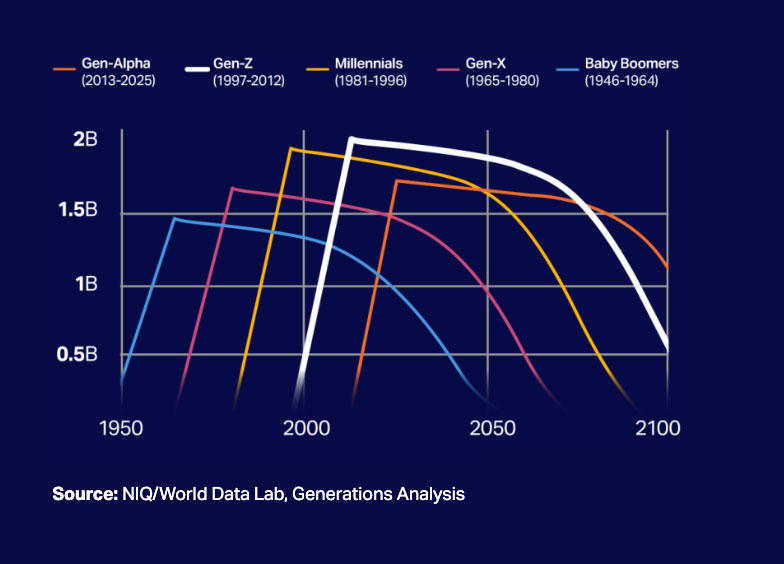
The NielsenIQ “Spend Z” report highlights just how transformative Generation Z will be for the global economy. As the largest generation – already around 25% of the global population – their spending power is projected to reach $12 trillion by 2030, making them a dominant force in shaping consumer markets.
What defines Gen Z is not just scale, but mindset. They are digitally native, value-driven, and highly intentional in their spending, prioritizing brands and experiences that align with their identity and lifestyle.
For entertainment and leisure, this reinforces a clear direction: success will depend on delivering social, meaningful, and experience-led offerings that resonate with this generation’s expectations.
The Power of Shared Experience: Doing Things Together
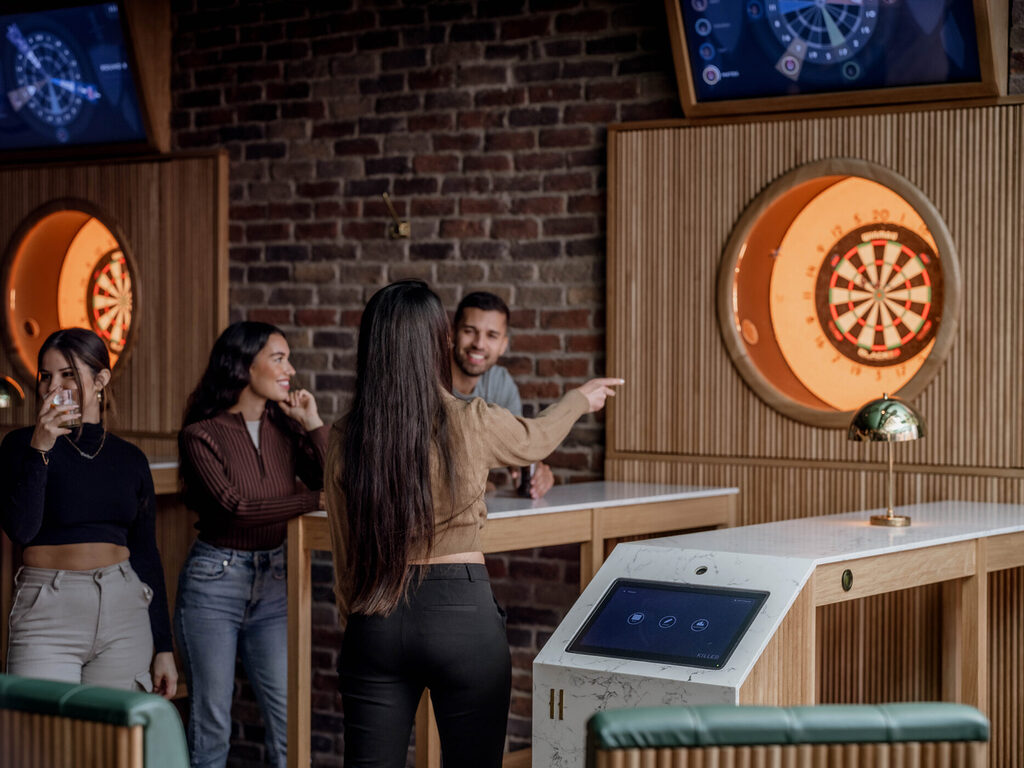
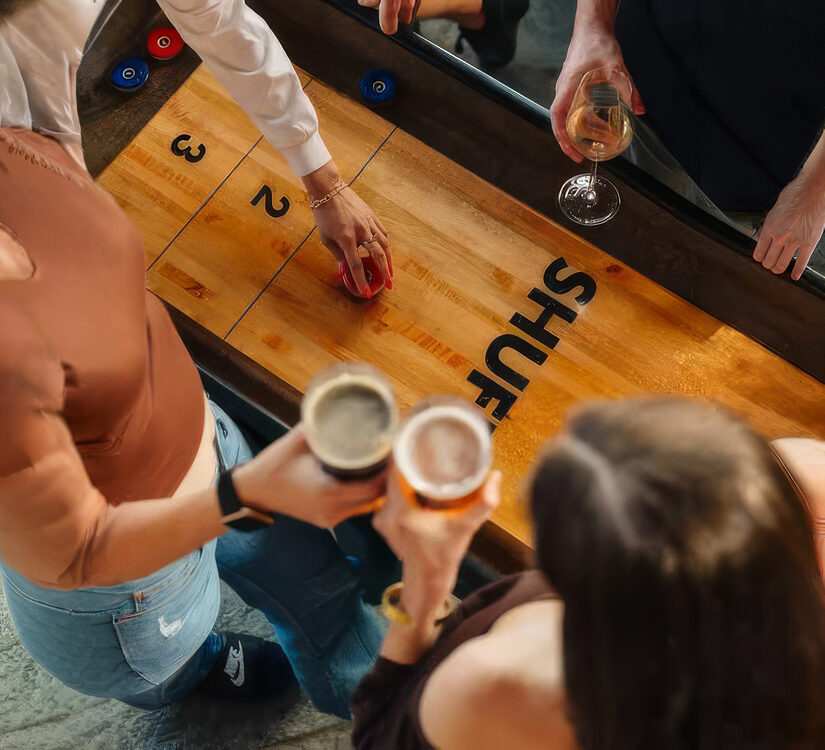
One of the strongest shifts highlighted is the power of shared experience. Socializing is no longer about simply meeting up; it’s about doing something together. The rise of competitive socializing and immersive entertainment reflects this change, where activities like darts, shuffleboard, or immersive theatre are reimagined as group experiences.
This shift is partly driven by digital life – people already know what their friends are doing through social media, so the value of going out lies in creating new, shared memories. Experiences that encourage participation, laughter, and collaboration are becoming the foundation of modern leisure.
Non-Alcohol Activities: A New Social Currency
A notable behavioural shift is the move toward non-alcohol activities, especially among younger audiences. Gen Z is drinking less than previous generations, driven by health awareness and changing social norms.
As a result, entertainment venues are evolving beyond alcohol-centric models. The focus is shifting to activity-led experiences where drinks are optional rather than central. This opens up broader audiences and encourages longer, more meaningful engagement – proving that fun no longer depends on alcohol.
Balance Between Tradition and Innovation
Finally, the industry is finding a critical balance between tradition and innovation. Classic activities like darts, pool, and bowling are not disappearing – instead, they are being reinvented through technology, storytelling, and immersive design.
This blend is key to the sector’s growth. Familiar formats provide accessibility, while innovation elevates them into memorable, modern experiences. By enhancing traditional games with digital layers and social interaction, operators can appeal to both nostalgia and novelty – creating experiences that feel both comfortable and exciting.
In summary, the future of entertainment lies in combining social connection, digital integration, and inclusive experiences. Those who successfully design for participation, not just consumption, will define the next generation of leisure.
Want to learn how we can help you reach Gen Z – Get in touch →
Franchise
B2B
You need to load content from reCAPTCHA to submit the form. Please note that doing so will share data with third-party providers.
More InformationYou are currently viewing a placeholder content from Turnstile. To access the actual content, click the button below. Please note that doing so will share data with third-party providers.
More Information